Product design
beeline - website, mobile app redesign & design system from scratch
Beeline is one of Russia's top three telecoms companies, serving ~49 million users across the CIS. In 2021, following a major rebrand, the company launched its first significant redesign of its website and mobile app in over 16 years.
Results
Conversion for device orders increased by
38%
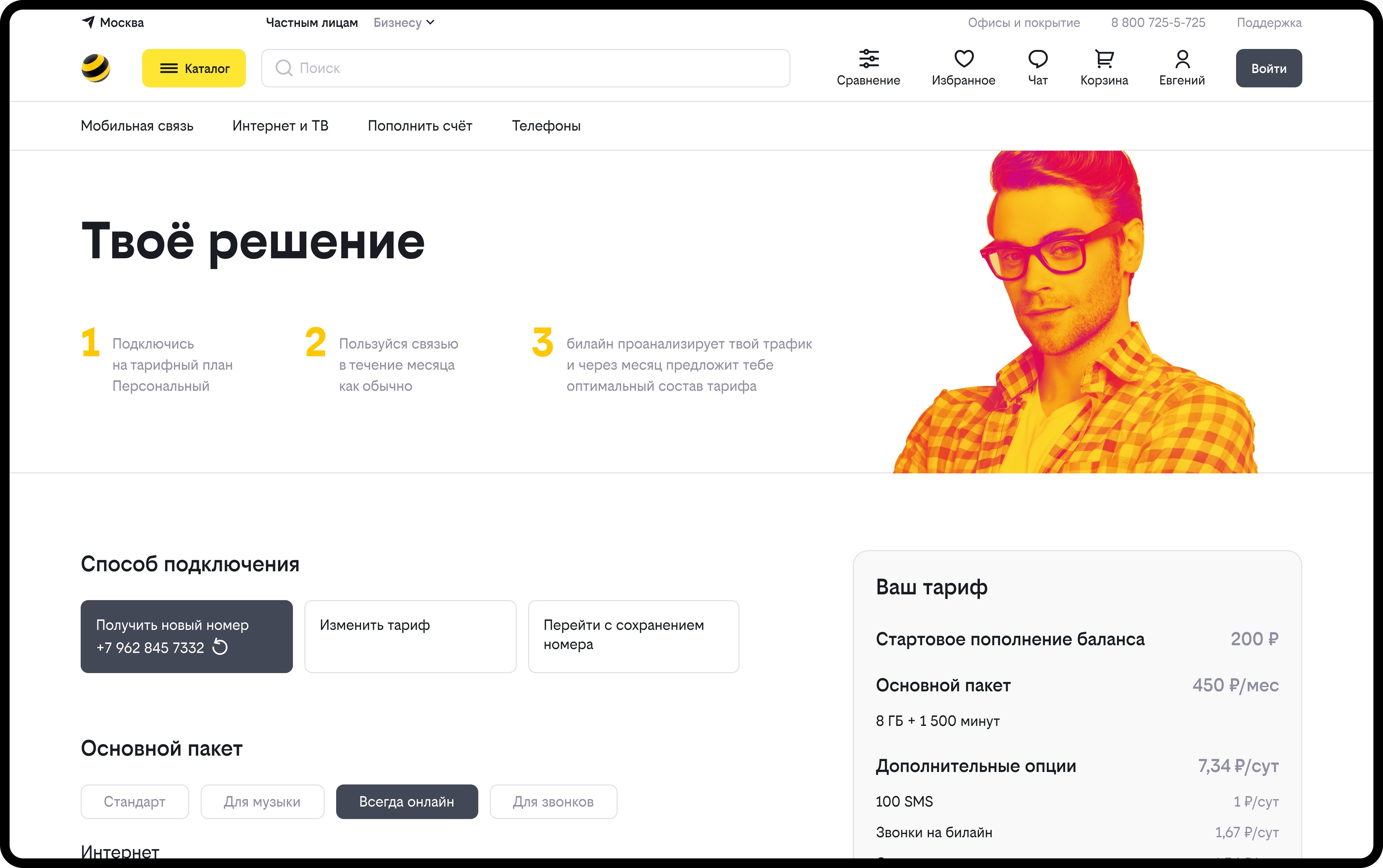
Redesigned website menu, data plan pages, TV and home internet pages, online shop, data usage pages in the personal account, and help & support section
Created a unified design system for website and mobile app, establishing consistency across interfaces and simplifying the design process
Optimised the user experience on key sections like the data plans and home internet pages
Conversion rate for device orders increased by 38% following the online shop redesign
DAU on Android increased by 8.6% following improvements to the partner program and data plan sections in the mobile app
Challenges
Inconsistent design: No existing UI kit meant we had to build a design system from the ground up while simultaneously using it in live pages.
Time constraints: The timeline was tight, requiring close collaboration and extra effort to ship without cutting corners on quality.
Evolving brand identity: The redesign followed closely after Beeline's 2021 rebrand, which meant working with a visual identity that was still being defined. Design decisions had to stay flexible enough to adapt as the brand direction developed.
My role
I owned the redesign of the website menu, data plans page, home internet and online shop pages, help & support section, and data usage pages in the user account. I also contributed to the mobile app and took a major role in building the design system and the first iteration of the landing page builder.
Design process
The project started with brand guidelines from an outsourced agency, but these weren't a finished foundation — they needed refinement. The team reviewed them closely, pushing back where needed. Some elements were declined and reworked, such as the iconography, while others like the logotype were accepted and carried forward.
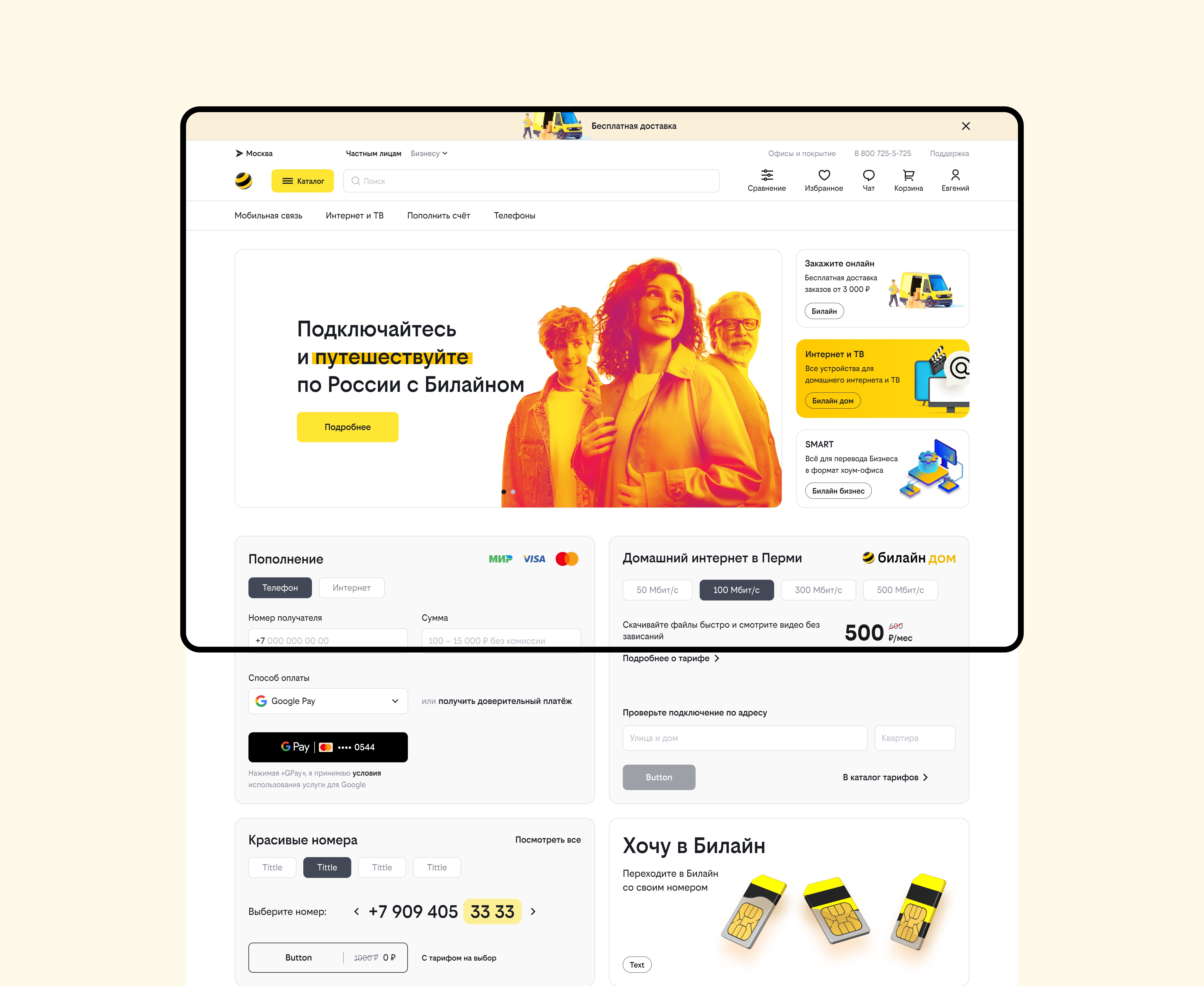
For the pages I owned, the approach was a mix of wireframing and going straight to high-fidelity where the direction was already clear. I made decisions such as simplifying the navigation structure to reduce depth, and redesigning the online shop's main page with filters that surfaced the top-selling product categories making the purchase path more direct. I also worked on the data plans page and contributed to adaptive design and product cards across the shop.
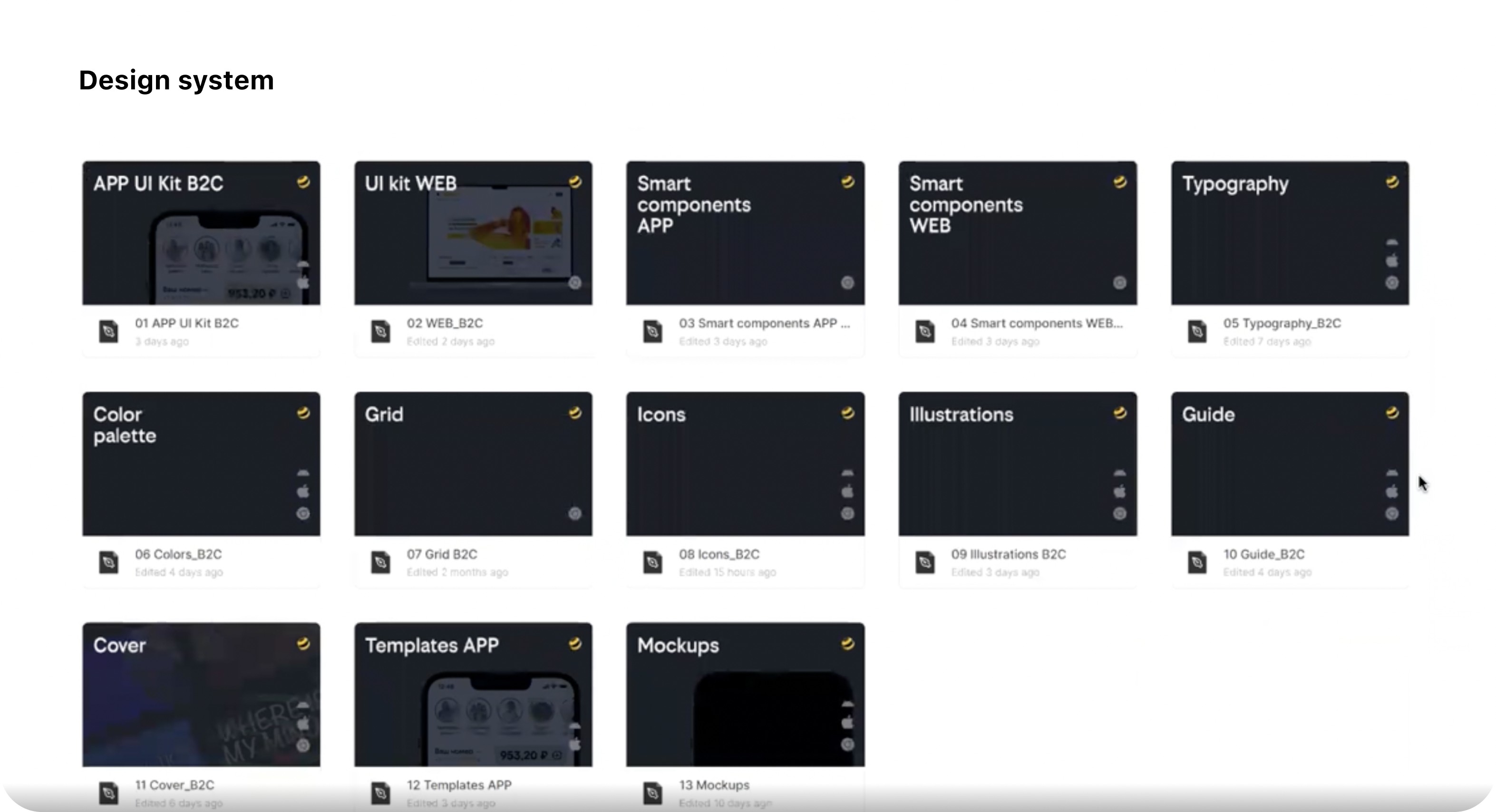
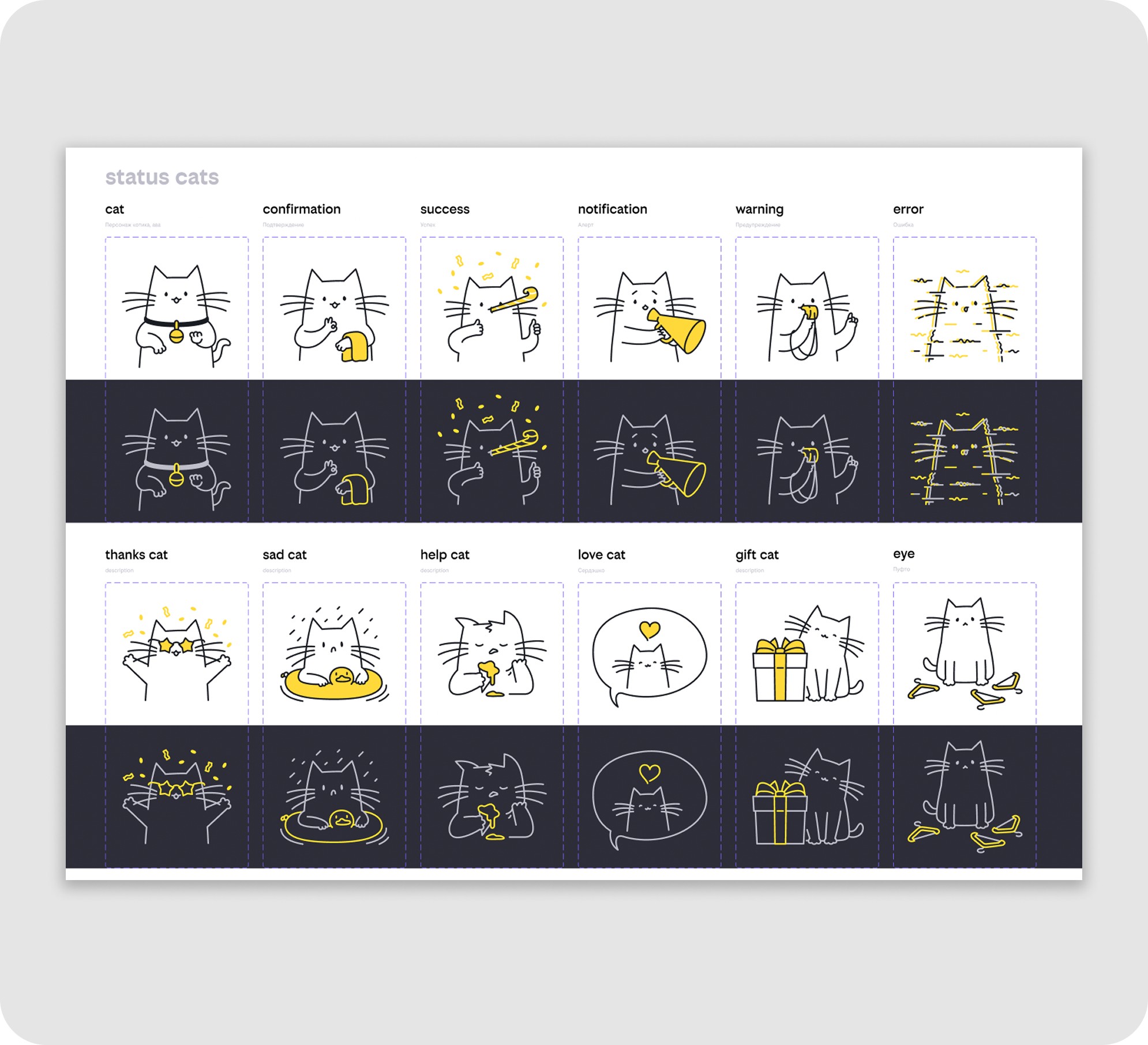
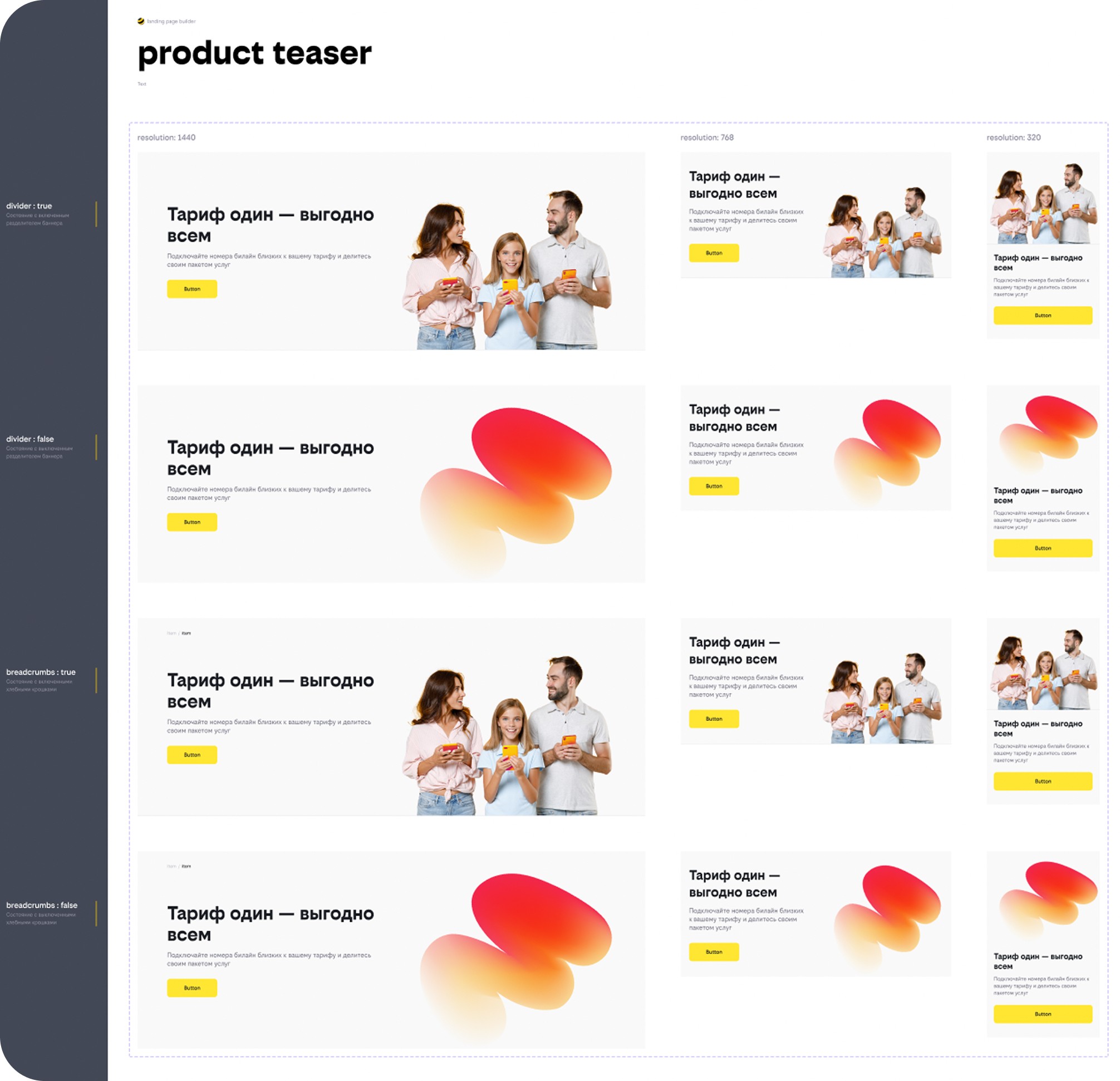
The design system came together after the first pages were defined — patterns that emerged across sections were extracted into shared components, giving the team a common library to build from consistently.
Reflections and learnings
Working at this scale taught me that alignment is most fragile at the start. When a team moves quickly, assumptions about direction can silently diverge — and correcting them mid-project costs far more than an explicit check-in at the beginning. I now treat early alignment on scope and approach as a non-negotiable first step.
Building a design system while simultaneously using it in live pages also showed me how much iteration that process involves. Designing components and applying them in real contexts at the same time means constant refinement — which turned out to be one of the most valuable skills I developed on this project.